N’wamanungu Dam 100% Full:
Middle Letaba Defies a 26-Year Drought
N’wamanungu Dam 100% Full: Middle Letaba Defies a 26-Year Drought
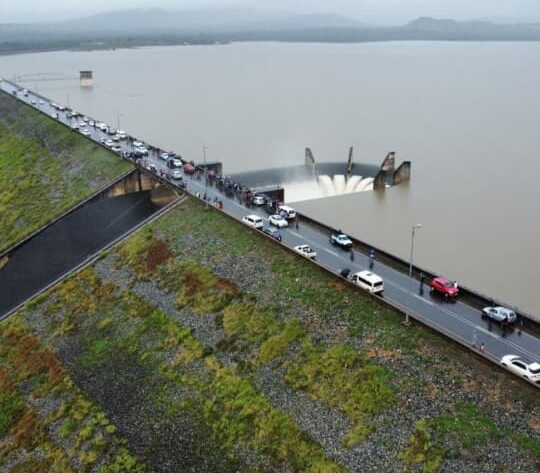
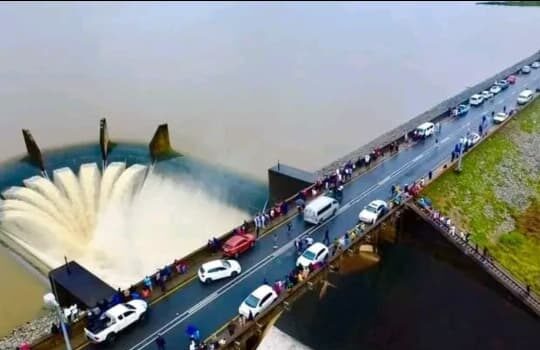
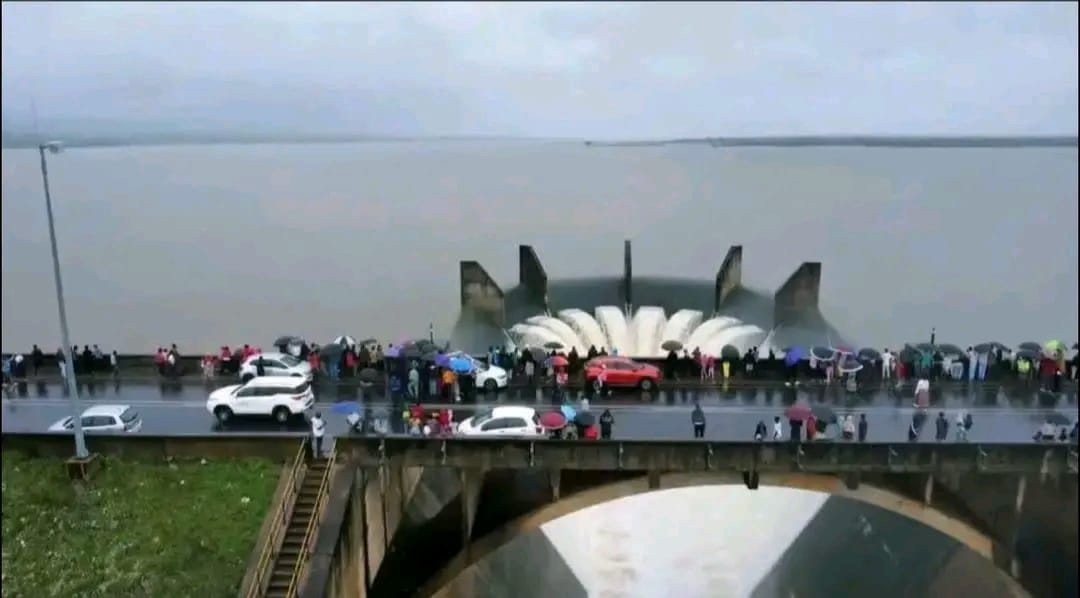
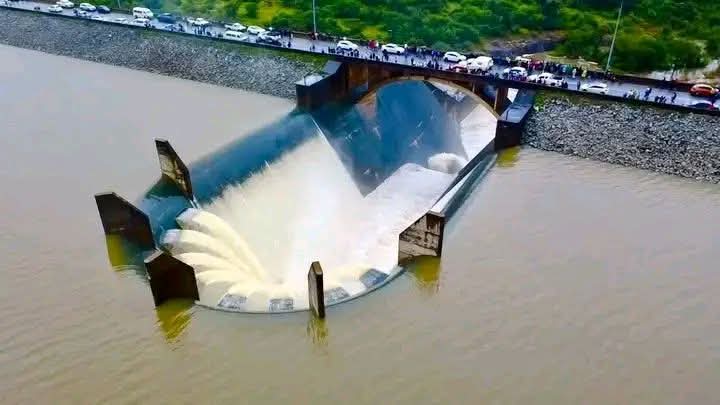
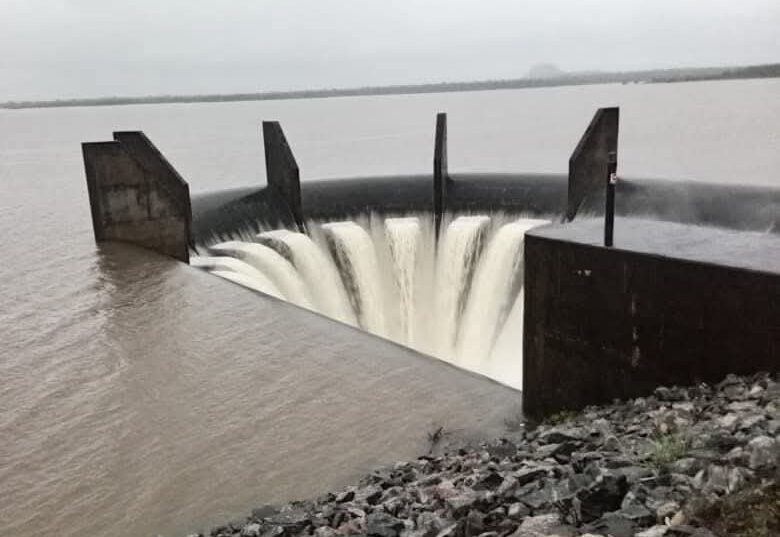
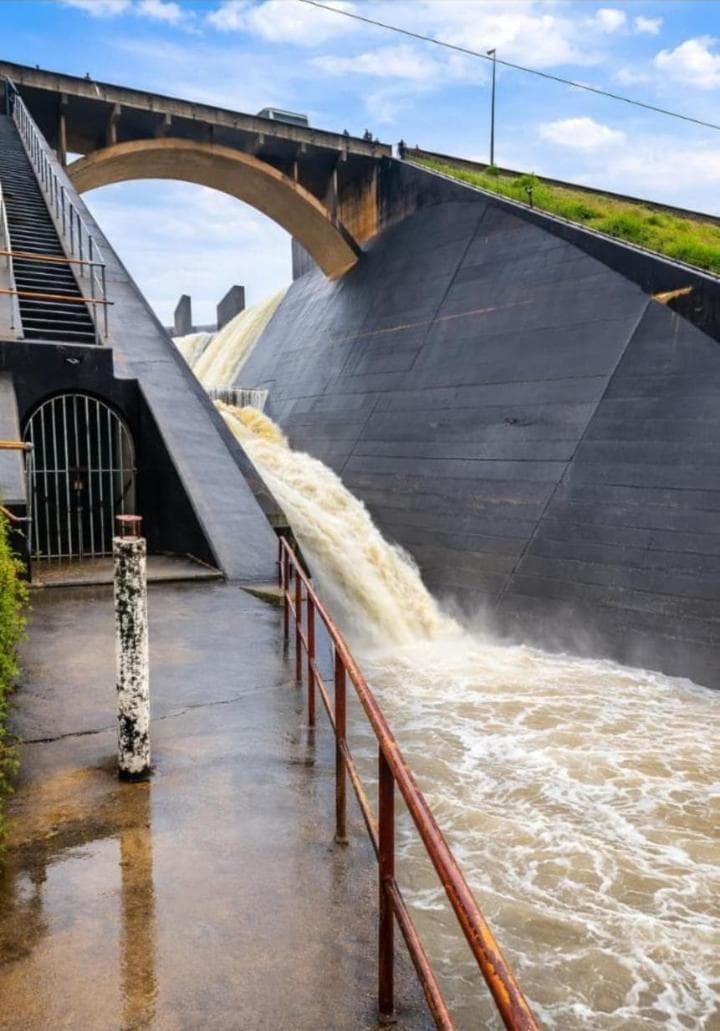
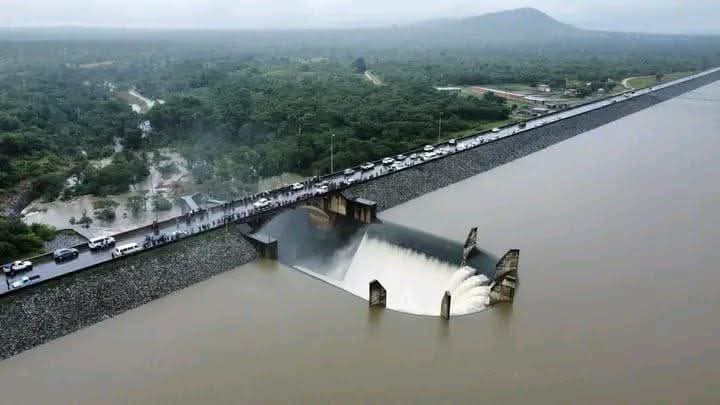
The “dam that never fills” has finally defied the odds. As of March 2026, we can officially confirm that the N’wamanungu Dam (formerly Middle Letaba Dam) is 100% full and overflowing. This historic event marks the end of a 26-year struggle for the Giyani and Hlanganani regions, bringing a massive boost to local water security and the South African fishing community.
For decades, the Middle Letaba was a symbol of hope lost. Standing as the 3rd largest dam in Limpopo, it remained a vast, dry basin while neighboring reservoirs thrived. Today, that narrative has changed forever.
The Real-Time Surge: Why the Official Stats Lagged
During my research over the past month, it became clear that the data wasn’t making sense. The Department of Water and Sanitation (DWS) typically releases official dam levels every two weeks. However, in a fast-moving flood situation, a two-week delay is an eternity.
While official monitors were still reporting low levels, ground-truth observations told a different story. A massive 500mm rainfall event in the catchment area created a “wall of water” that bypassed dry soil and filled the dam’s 173 million $m^3$ volume faster than sensors could verify. This surge means that pumping to the Mapuve and Giyani water treatment works has officially resumed, ending years of reliance on emergency water trucking
The Proven Recovery Timeline:
- December 2024: 1.1% (Critically low "dead pool")
- Early Jan 2026: 8.3% (The first signs of recovery)
- Late Jan 2026: 62% (The massive surge that stunned the region)
- February 2026: 77% (Stabilized growth)
- March 2026: 100% (Historic Overflow)
- Videos taken 7 Jan 2026
A Legacy of Rain: Comparing 2000 and 2026
To find a comparison for the current volume of water entering the N’wamanungu Dam, one has to look back nearly three decades to the legendary 2000 Mozambique/Limpopo floods. During that era, the Limpopo and Letaba river systems were reshaped by a tropical weather system that remains the “gold standard” for flood events in Southern Africa.
For 26 years since that event, the Middle Letaba Dam has struggled, often appearing more like a graveyard of dry trees than a reservoir. This 2026 surge is historic because it mimics the “unblockable” nature of the 2000 rains. While the Ngoepe Investigation previously highlighted how upstream diversions and the alleged ZZ2 catchment blockages effectively “starved” the dam, the current deluge simply proved too big for human-made infrastructure to contain. Just as it did 26 years ago, the water has reclaimed its natural path.
Overcoming the "Catchment Blockages"
The struggle of the Middle Letaba wasn’t just about a lack of rain; it was a battle for the rivers. Critics and community members long alleged that commercial farming giants had created a “sponge effect” with private dams on the Middle Letaba, Koedoes, and Brandboontjies rivers.
However, the 2026 floods—the heaviest in nearly 30 years—overwhelmed every upstream diversion. Nature reclaimed the catchment, delivering the water back to its rightful basin and ensuring that the 55 villages in Greater Giyani finally have a reliable local source.
For 26 years since that event, the Middle Letaba Dam has struggled, often appearing more like a graveyard of dry trees than a reservoir. This 2026 surge is historic because it mimics the “unblockable” nature of the 2000 rains. While the Ngoepe Investigation previously highlighted how upstream diversions and the alleged ZZ2 catchment blockages effectively “starved” the dam, the current deluge simply proved too big for human-made infrastructure to contain. Just as it did 26 years ago, the water has reclaimed its natural path.
A New Era for Giyani and Hlanganani
The filling of N’wamanungu is more than just a statistic; it is a cultural and economic rebirth.
- Water Security: Permanent supply restored for local households.
- Renaming Victory: The dam officially carries the name of the warrior Hosi N’wamanungu Siweya, reclaiming local heritage
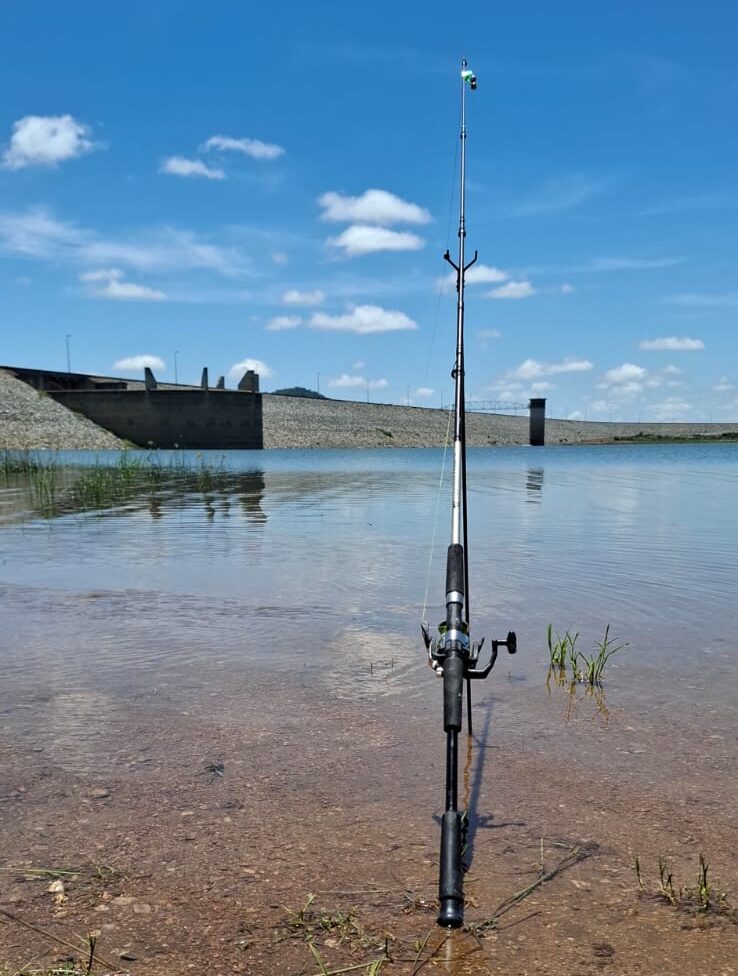
- Angling Paradise: The massive volume of water has triggered a biological “reset,” which we will explore in our next article on the thriving local fisheries.
- Did you witness the overflow? Watch the video of the spillway in action [Video Here] and share your thoughts in the comments below!
Did you witness the overflow? Watch the video of the spillway in action Video Here and share your thoughts in the comments below!